

The Great 8 of South Dakota
The Great 8 of South Dakota encompasses a collection of iconic destinations that showcase the diverse and captivating beauty of the state. This renowned list includes Mount Rushmore, a colossal monument featuring the faces of four U.S. presidents carved into the granite of the Black Hills, symbolizing national pride and history. Custer State Park offers an immersive experience with its breathtaking landscapes, wildlife, and scenic drives. Badlands National Park unveils a surreal world of rugged canyons and striking rock formations, providing a unique geological spectacle. The Crazy Horse Memorial, a monumental work in progress, honors Native American culture and heritage. Wind Cave National Park, known for its boxwork formations, boasts an extensive underground labyrinth. Jewel Cave National Monument showcases intricate calcite formations in one of the world’s longest cave systems. The historical town of Deadwood transports visitors to the Wild West era with its gold rush history and vibrant atmosphere. Finally, the scenic Needles Highway winds through granite spires, offering motorcyclists and travelers an unforgettable journey through the stunning landscapes of South Dakota’s Black Hills. The Great 8 collectively represents the state’s rich cultural, historical, and natural heritage, making it a must-visit for those seeking a comprehensive South Dakota experience.
1. Mt. Rushmore
Mount Rushmore is an iconic American monument nestled in the Black Hills of South Dakota. Carved into the granite face of the mountain, the sculpture features the towering visages of four U.S. presidents: George Washington, Thomas Jefferson, Theodore Roosevelt, and Abraham Lincoln. Created by sculptor Gutzon Borglum and later continued by his son Lincoln Borglum, the project commenced in 1927 and was completed in 1941. Each presidential face stands at about 60 feet in height, showcasing intricate details and expressing the spirit of American democracy. Mount Rushmore is not only a testament to exceptional craftsmanship but also a symbol of national pride, commemorating key figures in U.S. history. The site attracts millions of visitors annually, offering not only a glimpse into the nation’s past but also panoramic views of the surrounding Black Hills and the lush landscapes of South Dakota.

2. The Badlands, ND
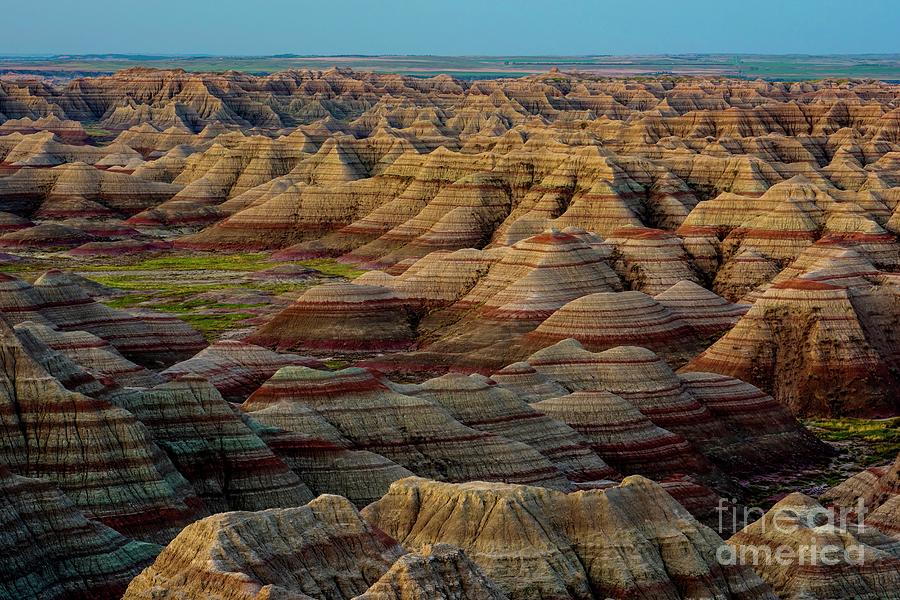
The Badlands, located in southwestern South Dakota, is a mesmerizing geological wonder that captivates visitors with its otherworldly landscapes. Characterized by eroded buttes, pinnacles, and spires, the region showcases a unique combination of rugged beauty and harsh terrain. The sedimentary rock formations reveal millions of years of geological history, offering a visual timeline of ancient sea beds, fossils, and the forces of erosion. Badlands National Park, established in 1978, encompasses a vast expanse where visitors can explore scenic overlooks, hike through deep canyons, and encounter a diverse array of wildlife, including bison, bighorn sheep, and prairie dogs. The vivid colors of the layered rock formations, ranging from soft whites and pinks to rich reds and browns, create a breathtaking panorama, especially during sunrise and sunset. The Badlands stand as a testament to the forces of nature that have shaped this surreal and captivating landscape over countless millennia, making it a must-visit destination for those seeking both natural beauty and a glimpse into Earth’s geological past.
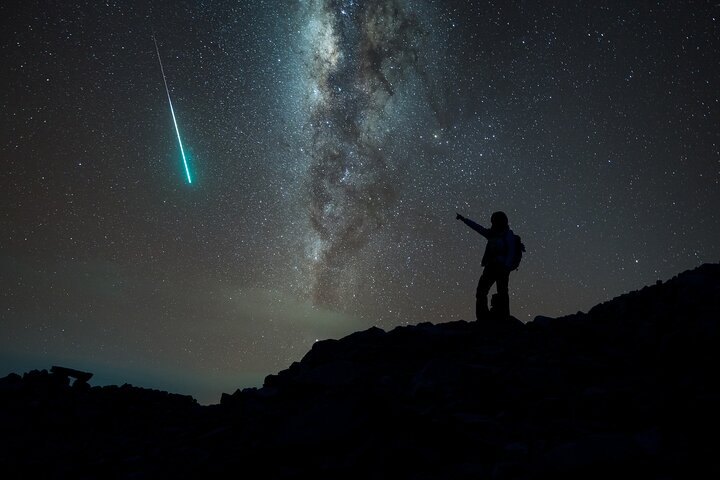
The Badlands offer a unique experience to view the Sunset, Stars, and Silhouettes Tour of the sky.


3. Crazy Horse Memorial
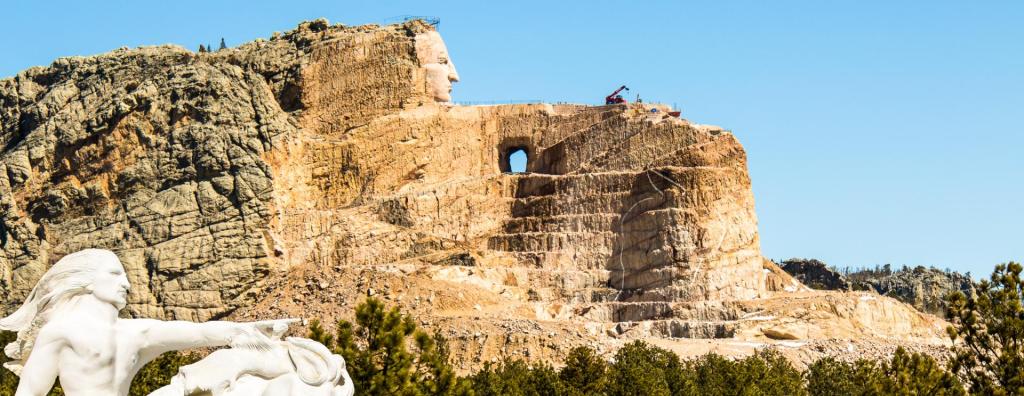
The Crazy Horse Memorial, located in the Black Hills of South Dakota, is a monumental tribute to the legendary Oglala Lakota warrior Crazy Horse. Initiated by sculptor Korczak Ziolkowski in 1948 and continued by his family after his passing, the memorial is a work in progress and stands as one of the world’s largest sculptures. Carved into the Thunderhead Mountain, the sculpture depicts Crazy Horse mounted on a horse and pointing into the distance. The mission of the memorial is not only to honor the memory of Crazy Horse but also to promote Native American heritage and culture. The sculpture is part of a broader complex that includes the Indian Museum of North America, the Native American Educational and Cultural Center, and the University and Medical Training Center for the North American Indian. The Crazy Horse Memorial remains a powerful symbol of Native American resilience, determination, and cultural pride, attracting visitors from around the world to witness the ongoing creation of this awe-inspiring tribute.
4. Historic Deadwood
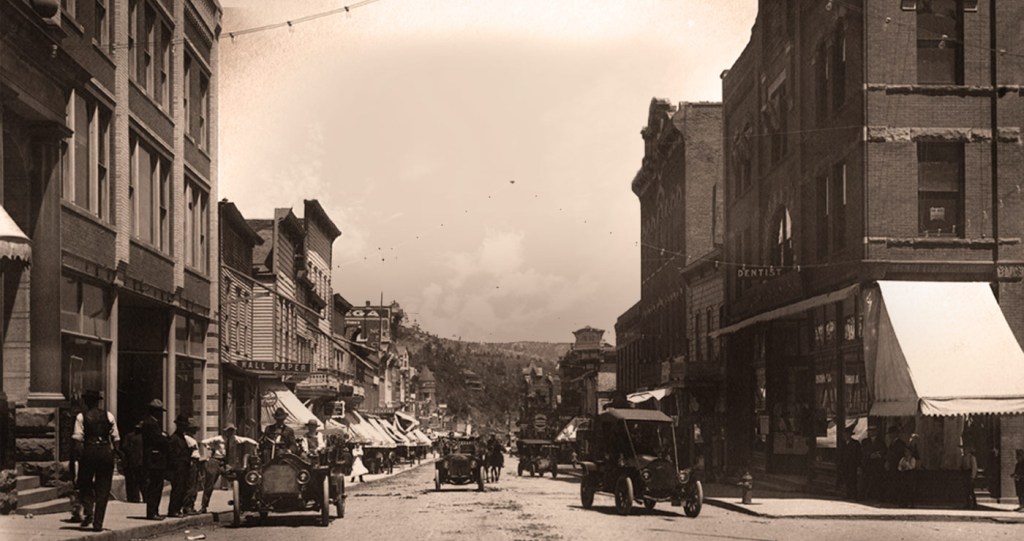
Historical Deadwood, nestled in the Black Hills of South Dakota, is a legendary town with a rich history dating back to the Gold Rush days of the late 19th century. Established in 1876, Deadwood quickly became a thriving mining camp and a haven for frontiersmen seeking fortune. The town’s history is intertwined with iconic figures such as Wild Bill Hickok and Calamity Jane, who lived and met their fates on its historic streets. Today, visitors can stroll through the well-preserved streets of Deadwood, lined with charming historic buildings and saloons, experiencing the atmosphere of the Old West. Notable landmarks include the Adams Museum, showcasing artifacts from Deadwood’s early days, and the Mount Moriah Cemetery, the final resting place of Wild Bill Hickok and Calamity Jane. The town also hosts lively events, including reenactments of historical shootouts, capturing the spirit of the Gold Rush era. With its fascinating history, vibrant culture, and a touch of Wild West mystique, Historical Deadwood remains a captivating destination for history enthusiasts and those seeking a glimpse into the tumultuous past of the American frontier.
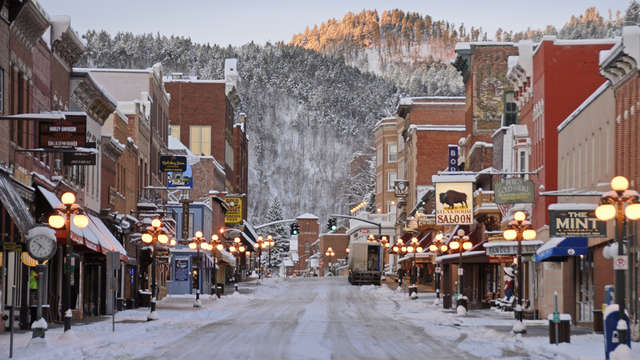
5. Custer State Park
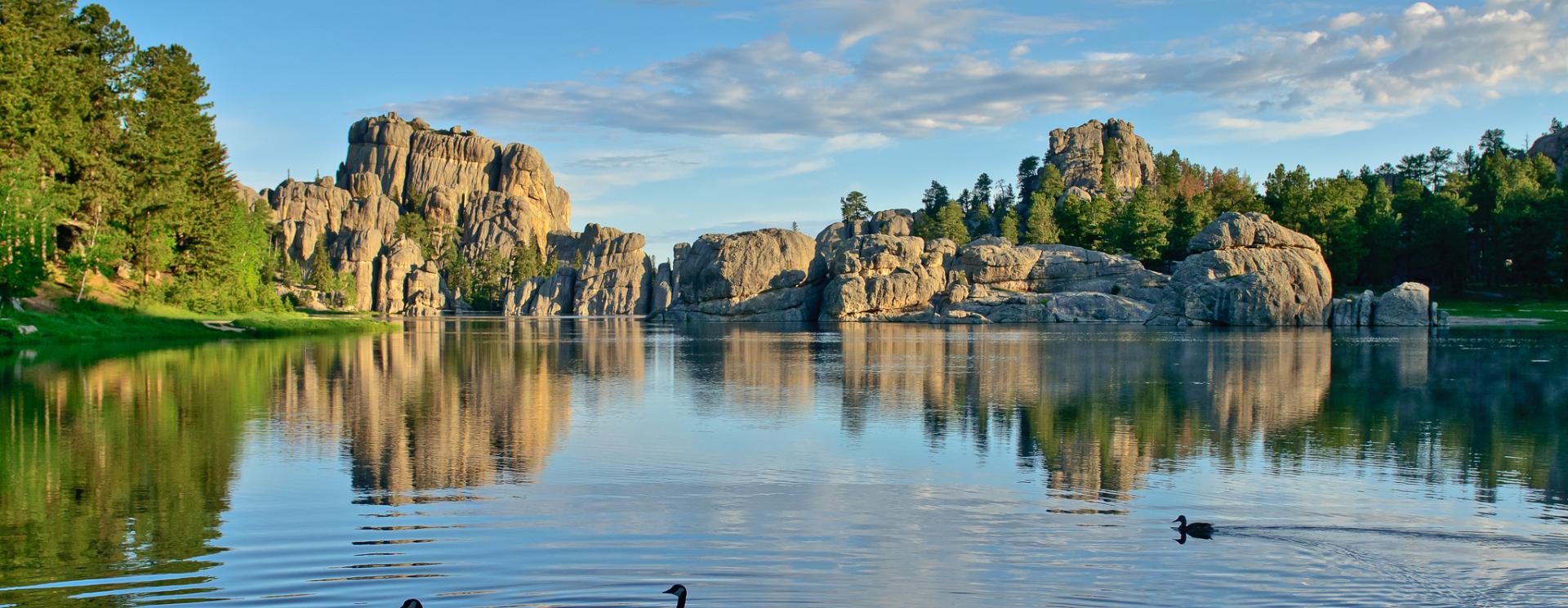
Nestled in the Black Hills of South Dakota, Custer State Park stands as a testament to the natural beauty and diverse wildlife of the region. Established in 1912, the park encompasses over 71,000 acres of rolling plains, granite peaks, and lush forests. Visitors to Custer State Park are treated to a stunning landscape dotted with serene lakes, meandering streams, and towering rock formations, providing a picturesque backdrop for outdoor activities. The park is renowned for its abundant wildlife, including a large herd of free-roaming bison, pronghorn, elk, and bighorn sheep. Scenic drives such as the Wildlife Loop and Needles Highway offer opportunities for wildlife viewing amid breathtaking scenery. Hiking trails, like those around Sylvan Lake, provide access to the park’s diverse ecosystems. Custer State Park is not only a haven for nature enthusiasts but also a place deeply rooted in the history of the Black Hills, making it a beloved destination for those seeking a harmonious blend of natural splendor and cultural significance.
See this Article for more things to do in Custer State Park!
- Needles Highway
- Needles Eye Tunnel
- Wildlife Loop Road
- Begging Burros
- Sylvan Lake
- Sylvan Lake Shore Trail
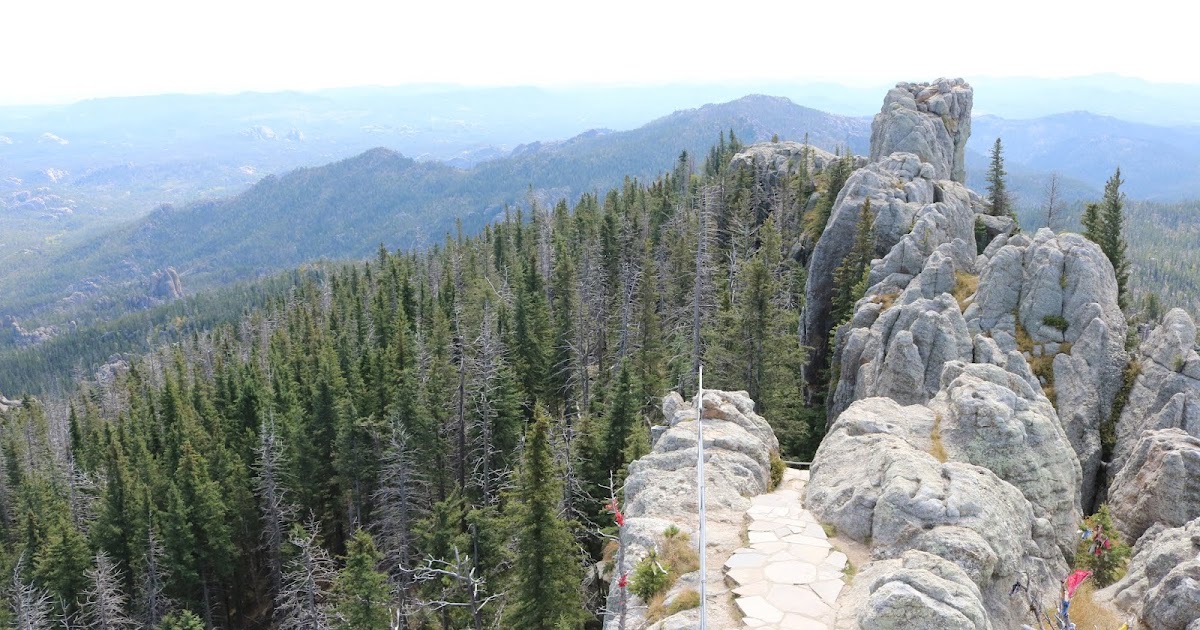
- Black Elk Peak Trail
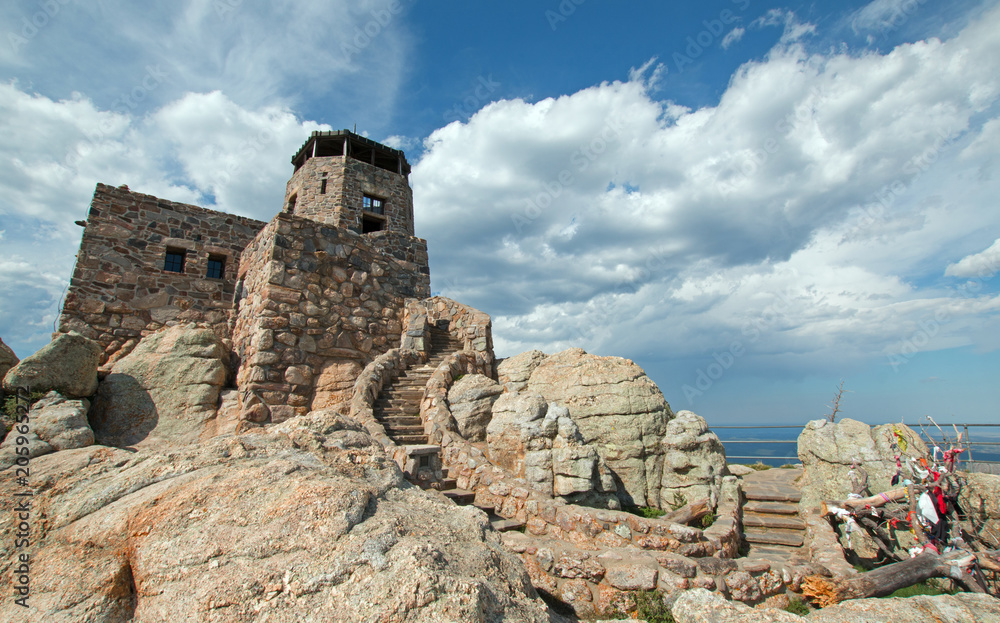
- Harney Peak Fire Tower
- Iron Mountain Road
- Custer SP Visitor Centers
- Cathedral Spires Trail





6. Jewel Cave National Monument
Jewel Cave National Monument, located in the Black Hills of South Dakota, stands as a subterranean wonder, renowned for its intricate passageways and dazzling calcite formations. Discovered in 1900, Jewel Cave is the third-longest cave system in the world, boasting over 200 miles of explored passages. Visitors to the monument can embark on guided tours that lead through a mesmerizing underground realm adorned with delicate crystals, flowstone formations, and unique cave features. The jewel-like calcite formations give the cave its name, creating a captivating spectacle. The Monument also features a surface landscape with hiking trails, offering panoramic views of the Black Hills. Educational programs and exhibits at the visitor center delve into the geology, biology, and cultural history of the cave, providing a comprehensive understanding of this natural marvel. As a testament to the intricate beauty hidden beneath the surface, Jewel Cave National Monument invites explorers and nature enthusiasts to delve into the depths of its subterranean splendor.

7. Wind Cave National Park
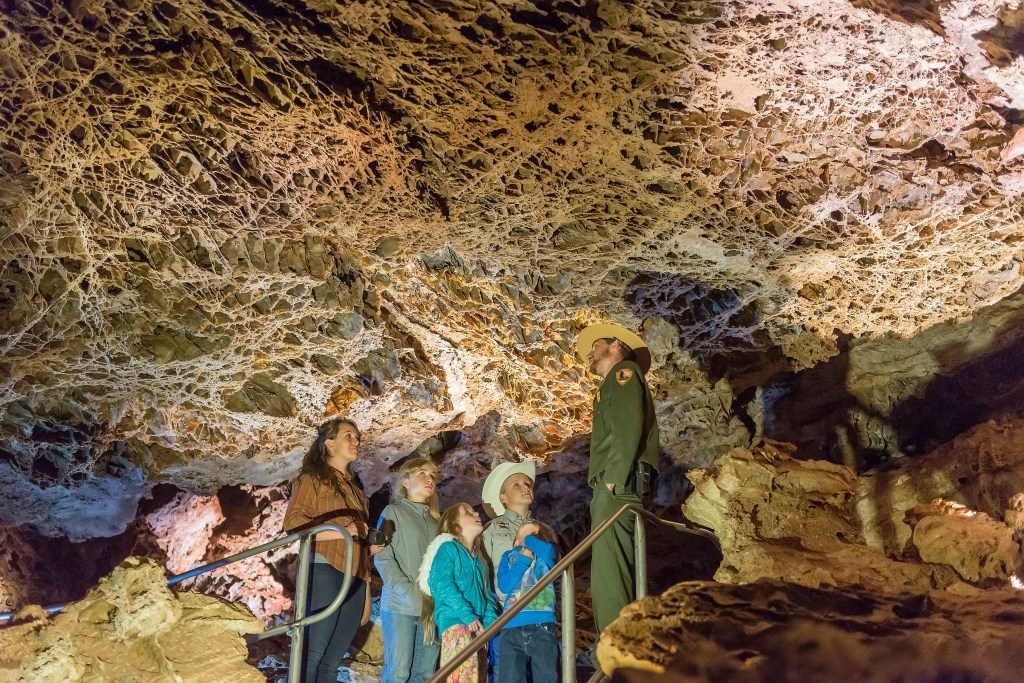
Wind Cave National Park, located in the southwestern corner of South Dakota, is renowned for its unique geology and extensive cave system. Established in 1903, it is the first cave to be designated as a national park worldwide. The cave is famous for its boxwork formations, a rare and intricate calcite structure found in abundance throughout its passages. Above ground, the park encompasses a diverse landscape of mixed-grass prairie and Ponderosa pine forest, providing a habitat for a variety of wildlife such as bison, elk, and prairie dogs. Wind Cave is one of the longest caves in the world, with an intricate network of chambers and tunnels. Guided cave tours allow visitors to explore its underground wonders, marveling at the unique formations and learning about its geological significance. The park also offers hiking trails, scenic drives, and opportunities for wildlife viewing, making it a comprehensive destination for those seeking both subterranean exploration and appreciation of the natural beauty of the Black Hills region.
8. The Missouri River
The Missouri River, one of the longest rivers in North America, weaves through the heart of the United States, serving as a vital watercourse with a rich historical and cultural significance. Originating in the Rocky Mountains of Montana, the Missouri River travels over 2,300 miles, passing through seven states, including Montana, North Dakota, South Dakota, Nebraska, Iowa, Kansas, and Missouri, before converging with the Mississippi River. Historically, the Missouri River played a crucial role in the westward expansion of the United States, serving as a major transportation route for explorers, traders, and pioneers. Today, the river is managed and harnessed for various purposes, including irrigation, hydroelectric power generation, and navigation. The Missouri River is flanked by diverse landscapes, from the rugged peaks of the Rockies to the expansive plains of the Midwest, offering both scenic beauty and opportunities for outdoor recreation. With its historical importance and ecological diversity, the Missouri River remains a significant and enduring feature of the American landscape.

 Biker Babe Mountain Rider
You must be logged in to post a comment.